
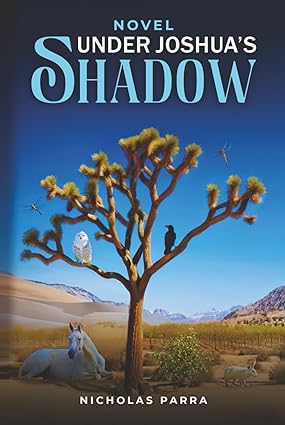
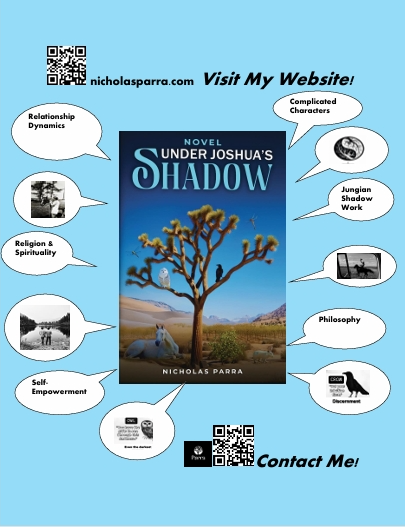
Author’s Notes: “Literary Themes & Threads”
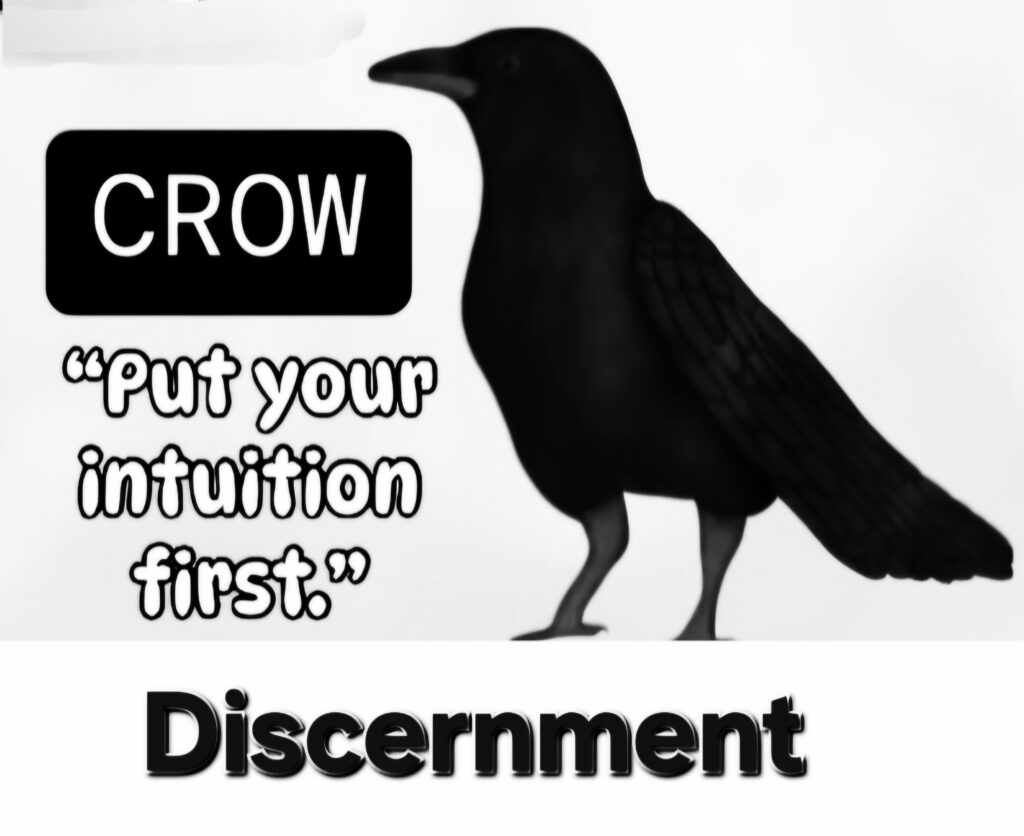
A fictional story with mature themes and intertextuality of nature, psychology, religion, myth, philosophy, and mysticism contribute to the novel’s linear yet rich plot that reaches for existential higher meaning — if higher meaning exists. Afterall, it is a dark romance novel. The dark themes in “Under Joshua’s Shadow” are essentially a nod to the 20th century authors such as John Steneck and George Orwelll, who wrote about bleak and harsh realities on the human condition Post-World War II. That said, I am working on a sequel that attempts to reconsider that perspective. In this novel, there are variable levels of introspection among the two main characters, Tom and Joshua. In different quests for liberation, one character reclaims his spirituality, while the other discerns it. Characters dig deep or reach beyond themselves as they experience budding needs, grief, floundering sense of purpose, and fleeting transcendent experiences, only to be held back by laws of nature which remind them of their human tolerances as topics of faith and doubt intermingle among denial or ambivalence to hold on or let go. There is a lot of language to consider as images, metaphors, subtext, symbolism, and repeated motifs reveal what the plot cannot explain alone. Although narrative builds up around clearer interactions, character development is not always central to the plot. It is essential to compare and contrast details in this novel to make your own inferences. Also, the plot unfolds around allegorical contexts like biblical names, animal symbolism, and Jungian archetypes which possess historical/cultural worldviews. I followed Plato’s narrative aesthetic, but I added Aristotle’s dramatic aesthetic with visuals propped up for readers to discover, draw inferences, and discuss. I find it enjoyable when readers share with me their own web of meaning through motifs they personally identify with. For example, water is a classic motif throughout the novel. I thought about the traditional use of water from literary readings when water represented a metaphor for turning of tides or rising and falling. I also contemplated the use of water from slave narratives and how water could both contain and set free as in the stories about crossing a river to escape slavery. In biblical terms, water was used to represent the source of life and spiritual cleansing. Whether character development exists within a traditional plot and dialogue, it is important to understand character development also unfolds around archetypes, myth, and symbols. While writing this novel, I thought about literary theory from my literature courses at Chaffey College and the University of LaVerne. Classical concepts on how to organize and understand literature allowed me to better understand reality, but literary theory also makes one aware that complete understanding is not possible because there is always more to experience and learn. When I considered traditional concepts like logical or factual exposition, I wanted to create a believable fictional story, yet I also wanted to break away from logic to produce a contemporary novel in which characters experience life in a multicultural and multidimensional modern reality. For example, I intersected Plato’s ladder of love with Maslow’s hierarchy of needs, as I explored the pyramid theories of higher purpose between the contradiction of fear and faith. However, I did heed to Plato’s logical exposition in building a convincing story environment and spatial continuum. Although linear versus multi-connected realities do compete for space in my story, I structured a story that made sense to readers, with minimal use of foreshadowing, flashback, excessive narrator interference, or jarring surreal shifts in scenes. You will notice a narrator usually chimes in at the end of each chapter rather than throughout the story. But human fantasies and dreams are a major theme in my novel, for they represent subjective moments of consciousness, so there is an intersection between a Platonian order within the landscape along with a modern humanistic perspective in which lines between reality and imagination get blurred. Juxtapositions between characters and events represent competing interests, duality, or contrast between oppositions, and you will notice polarity reinforced in scenes about mountain altitude(ascent/descent), earth & sky, seasons, liquids, day & night, to more ephemeral images like light/shadow, color, temperature, such as when Tom wakes up in his bedroom on a chilly autumn morning. Such conditions are not necessarily binary, as hierarchy in nature is more spectrum and gradient. In other words, I was attempting to feel what is at the center. In a world where religion says God is nature and scientific precepts say nature operates by laws, but neither side explains the exceptions or the outliers, so while religion has angels to visit earth and nature has birds to flee it, characters are left feeling the gaps, as religion does not need the earth for ascension, and nature does not need theology to survive. Yet, it is at the center of these opposing views, gravity is always pulling or pushing on everything at once, and characters evolve within that singular gravitational vortex. Ironically structure or a built-up story environment, which Plato emphasizes as crucial to stability, ultimately serves memory, but my characters grapple with their memory or anxiety of budding new memories. The questions allude to my characters, do you burn down memory for change, or do you carry memory into the future? There’s a give-and-take in a relationship. When thoughts of ‘we grew apart’ or ‘I can’t handle this’ feed the mind, then characters need to discern how love involves self-change and reciprocity. Does choosing love involve rejecting the memory of landscape or does it involve building upon it? Do you reject your partner because of the past, or do you cling onto them while you fear the future? Space can be anchored apart between lovers who grow in the solidness of earth where deep rooted unspoken insecurities remain hidden in the darkness of soil. Perhaps the shoot grows upward toward the light, but what happens when anxiety turns to anger and thwarts the growth, or worse, uproots it? This is a metaphoric question of course and Plato believed a good story needed guidance according to logic to avoid emotional speculation. I don’t think Plato would not have approved my poetic attempt to link emotions to the plot. Linking such emotions and unfounded concepts would destroy social order. But it’s important to note, the metaphor is a representation of two lovers who exist outside of that social order. Weather plays a role in my novel as a way to show how natural pressure impacts environments. Hence, weather is a representation of systems like religion which can exert power over people. Plato believed in absolute truth and beauty, yet he could not consider, from a modern perspective, how truth and beauty can be depraved by states of anxiety, grief, poor esteem, or an overthinking sensitive bleeding-heart. Perhaps Plato was right to believe that a beautiful song should always end on a high note, but he could not foresee how modern lovers will continue to test each other’s worth all the way to the bitter end or worse question their own self-worth, as characters feel pressure to seek truth and beauty by comparing the relationship by contemporary standards or from different frames of mind (which ironically created their unique dynamic) when love really requires closer proximity and more communication. In the pursuit of building closeness, in two different geographical settings, my main characters forgot earlier promises and fears. For Plato, the highest form of love does not grow from noble sentiment to one person like a false promise or damned judgement. Instead, true love grows when it is revealed in a universal sense – when one see’s beauty in all things. So, in spite of the dark romantic undertones, such as bloody scenes throughout the novel, I want the dark tones to make the reader consider connections between life and death, acceptance and judgment, trust and rejection, trauma and resilience which ultimately link my attempt to intersect attachment/salvation (judgment) and integration/liberation (self-wholeness). Thus, deviating from Plato’s sense of order, convenient to one who accepts the dominant cultural script and institution, allowed me to accommodate two male characters with their own unique partialities, different from the dominant straight society, to arrive to their own truth and beauty, which was Plato’s highest goal for all people. Now, to influence character development, so despair would not anchor them down, evolving intuition pushed the plot forward. But religion looks down on intuition. So, each character poses variable degrees of agency on their own terms to learn how to love their inner landscape just as much as they admire their outer landscape. But when characters find home through love, it rationalizes a transactional guarantee that contradicts what they want to believe, but the characters intuitively realize, perhaps too late, they only find themselves at the end — only after the guarantee has expired. It was my attempt to write a story apart from the typical queer male genre often about coming out within a landscape of sex, drugs, and rock-n- roll, in replace of a story about queer spirituality. Therefore, sexual identity is not used as spectacle; it is used to enhance intimacy separated by walls of incarceration within the context of individual growth and partnership, and how the two interplay within that separateness. Individuation or transformation can break but it does not necessarily mean love is broken. It simply means love can be broken and healing at the same time — a sort of restorative justice for love. The question is, in this novel, will justice prevail?
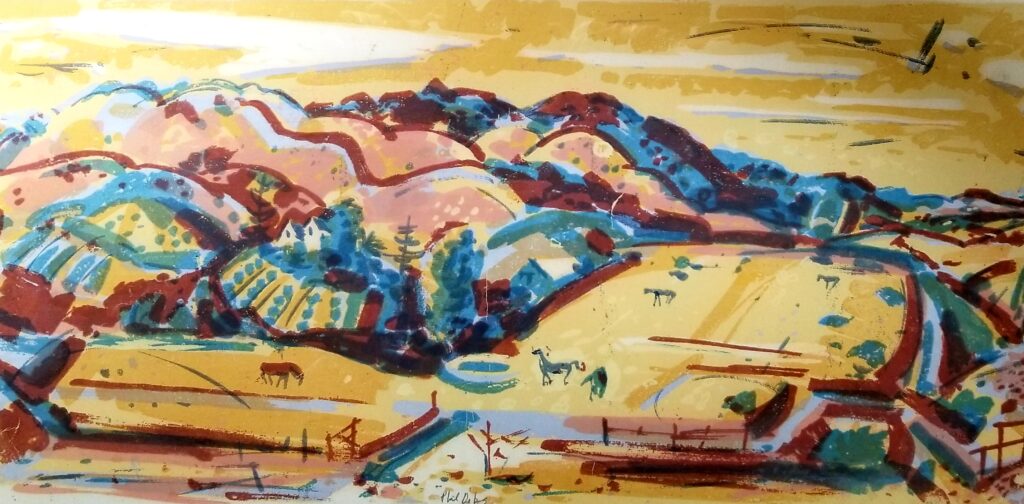
Watercolor Painting Country Summer Scene by Phil Dyke. Inspired painting on Jim’s porch scene.

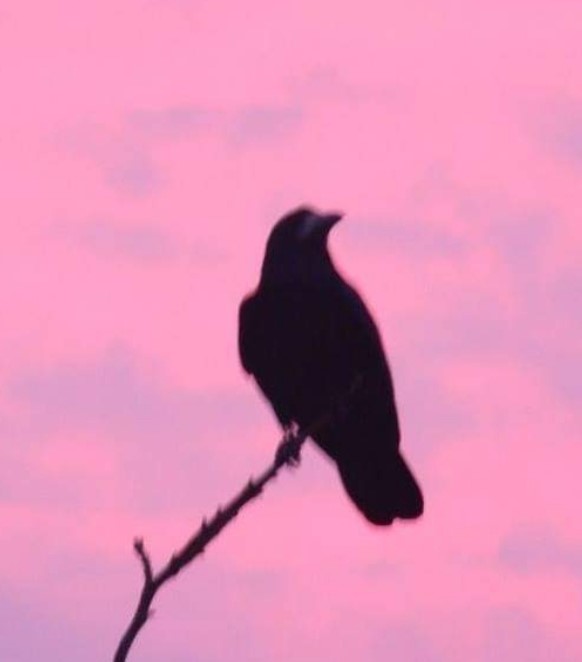
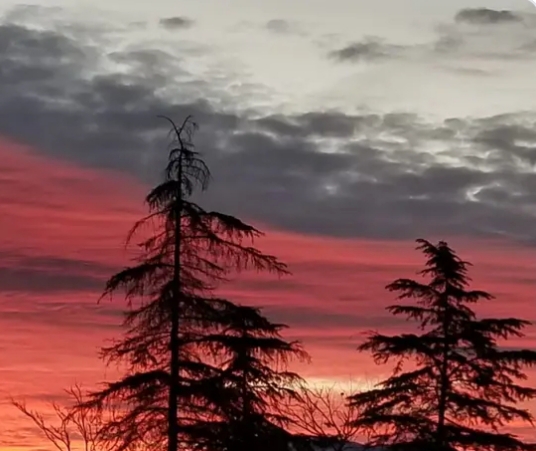
Pink Sun is a reference to California sunsets and smokey skies from distant end-of-summer fires.

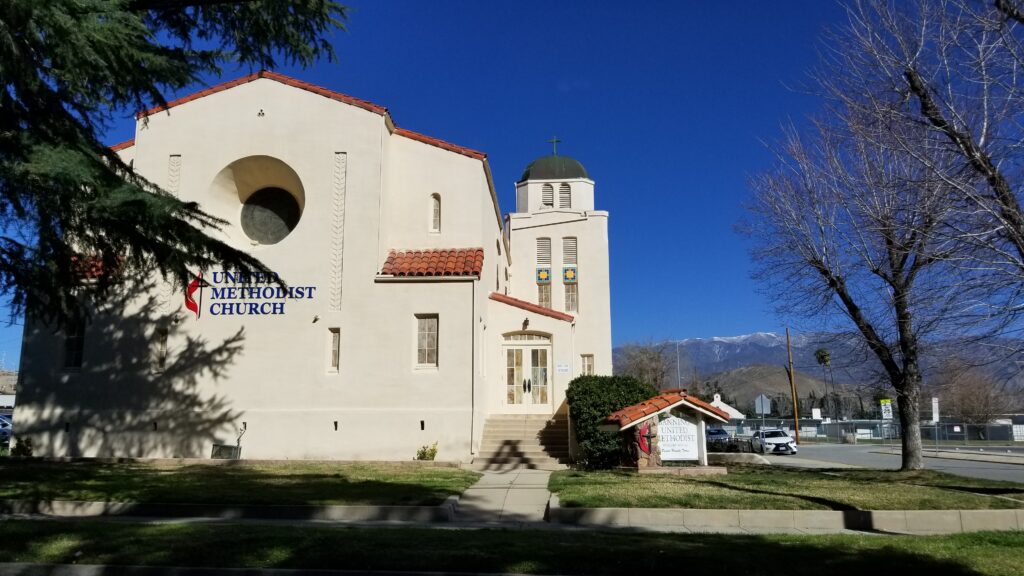
Banning United Methodist Church
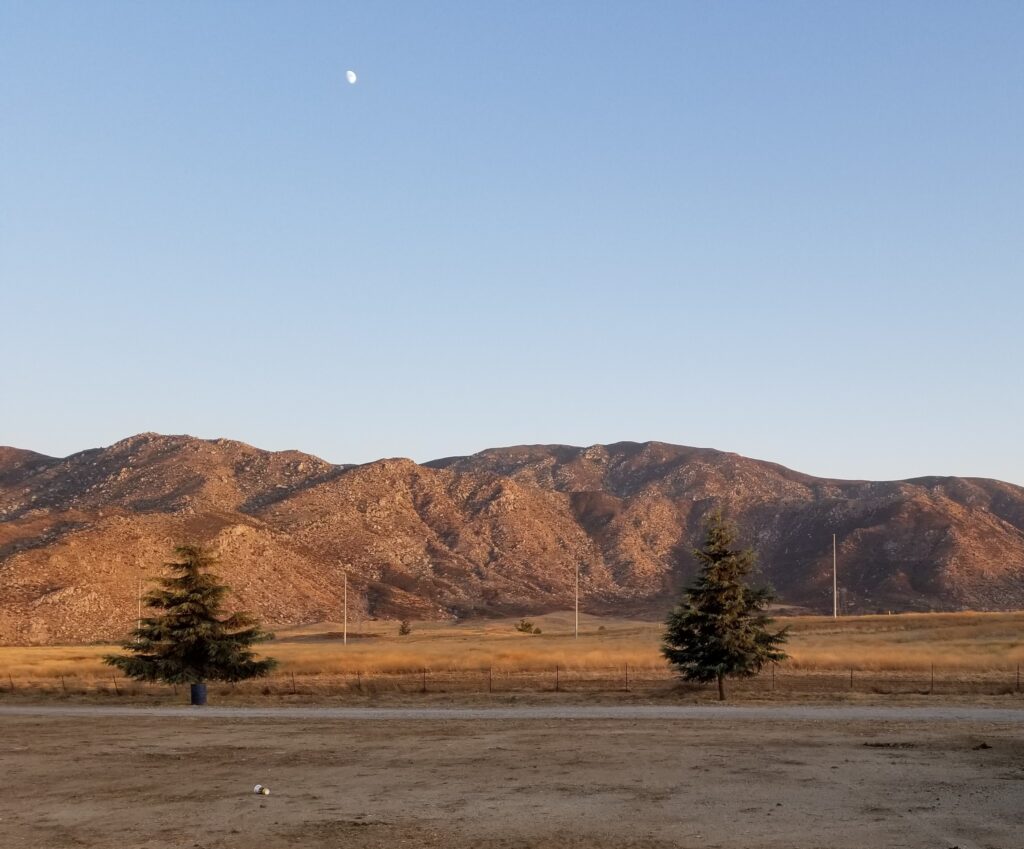
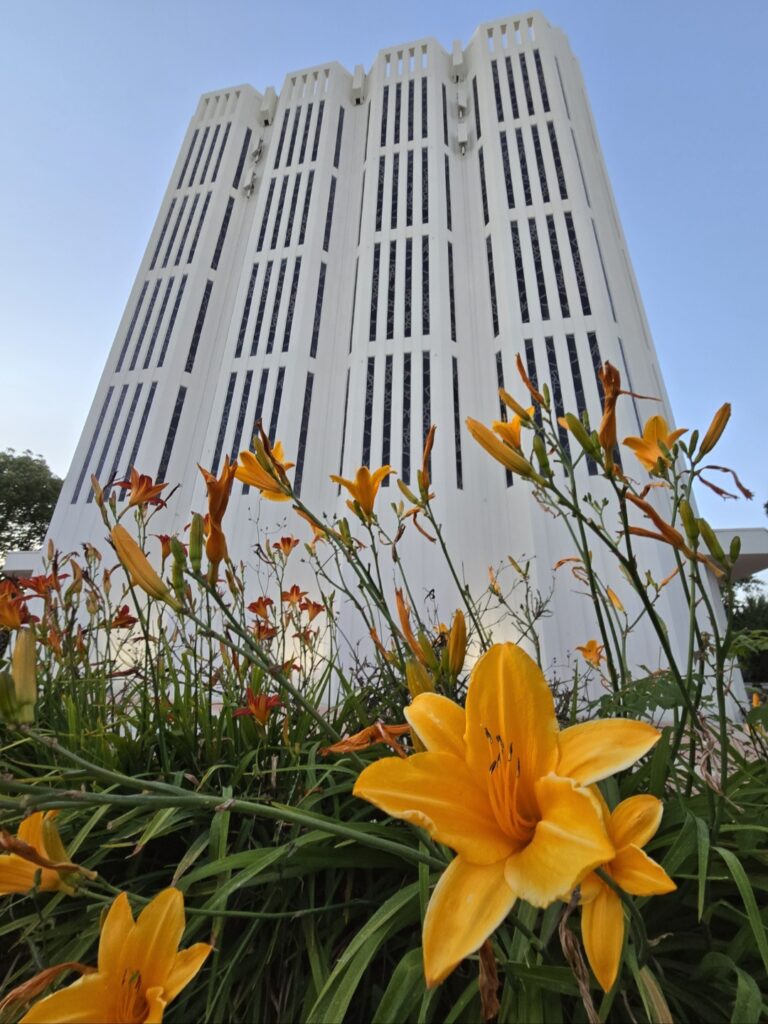
Claremont School of Theology Chapel

Please email the author at: nicholasparra91711@gmail.com
This website does not accept email. Email the author at nicholasparra91711@gmail.com